St. Martin
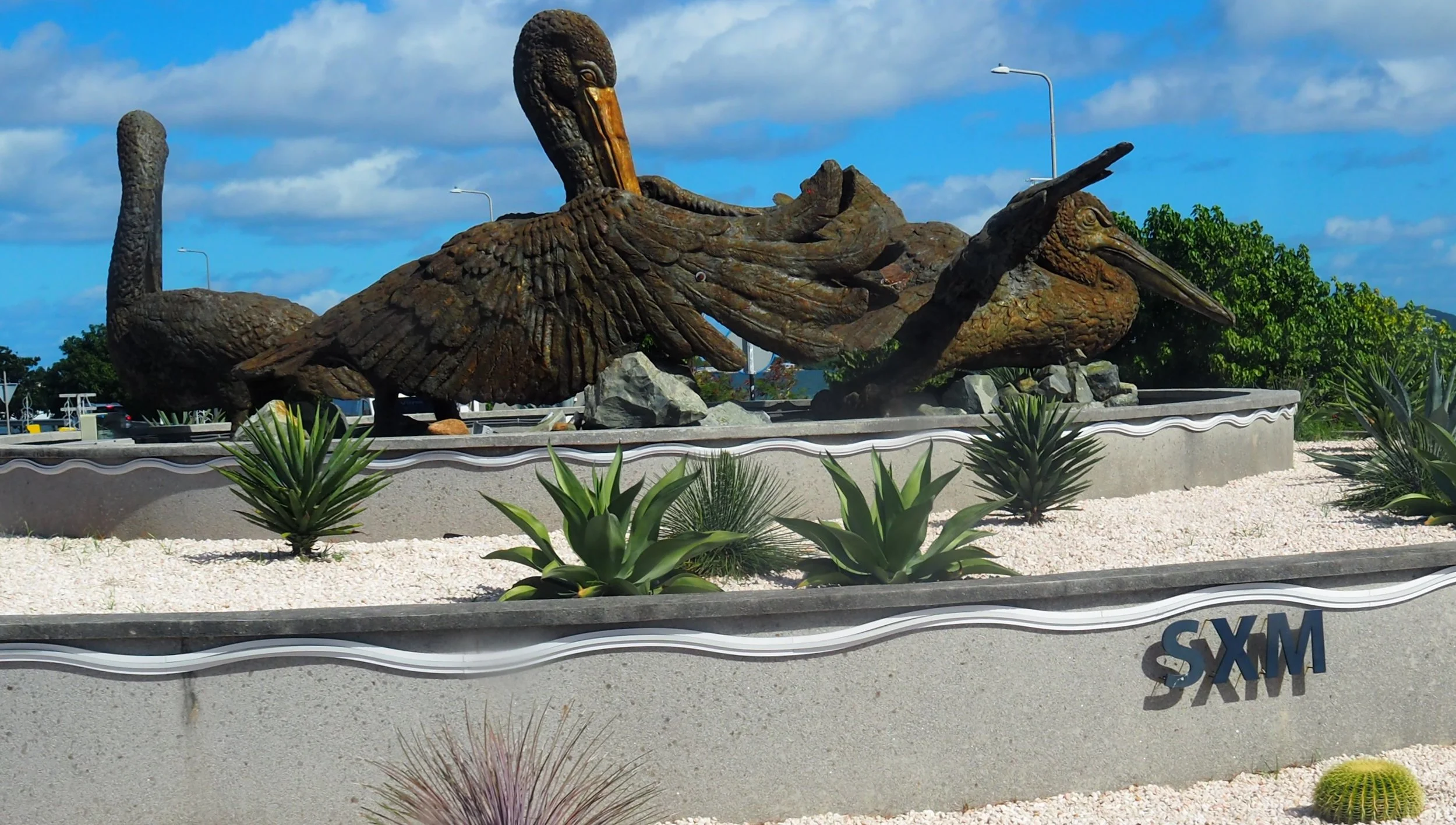
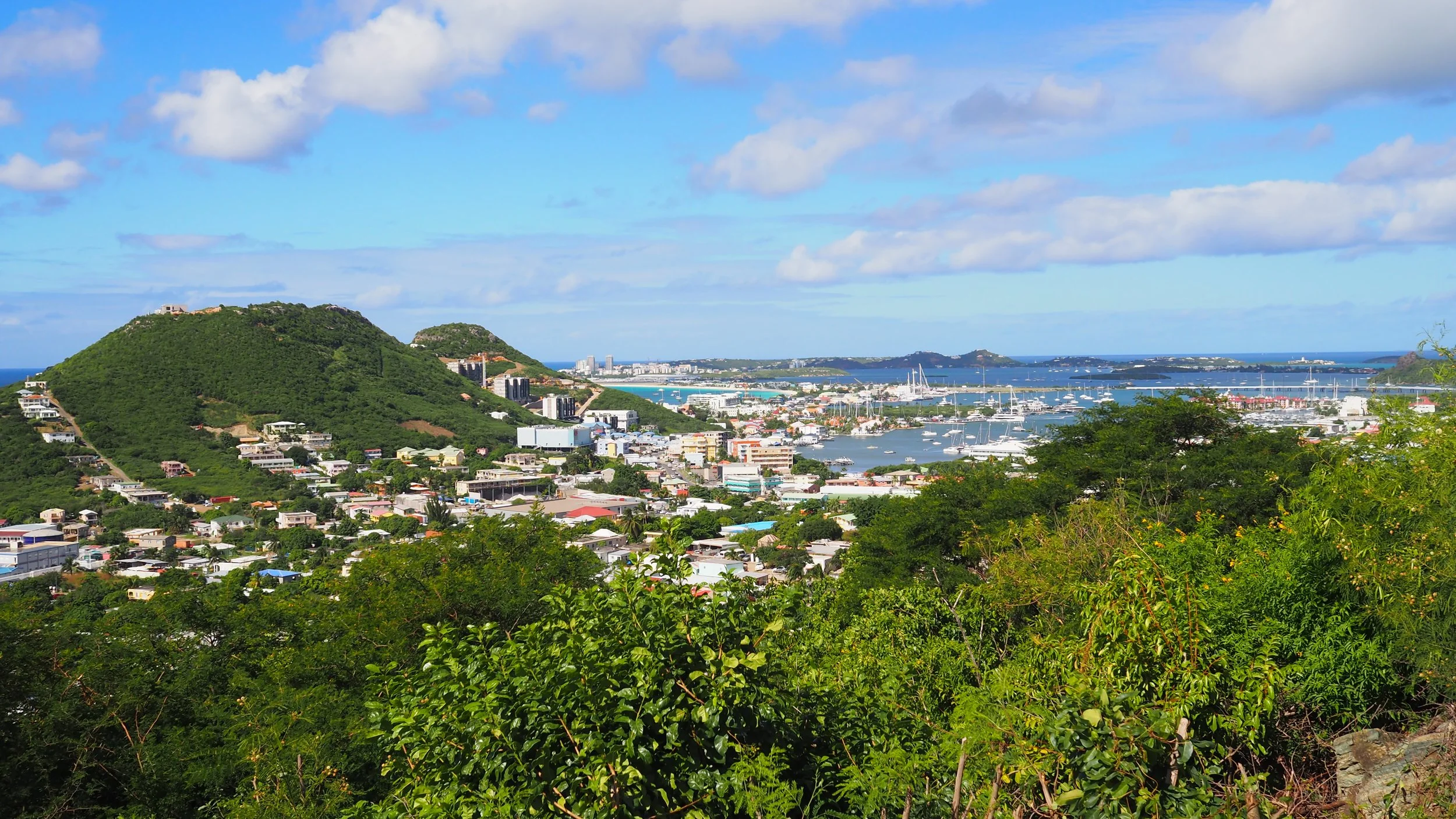
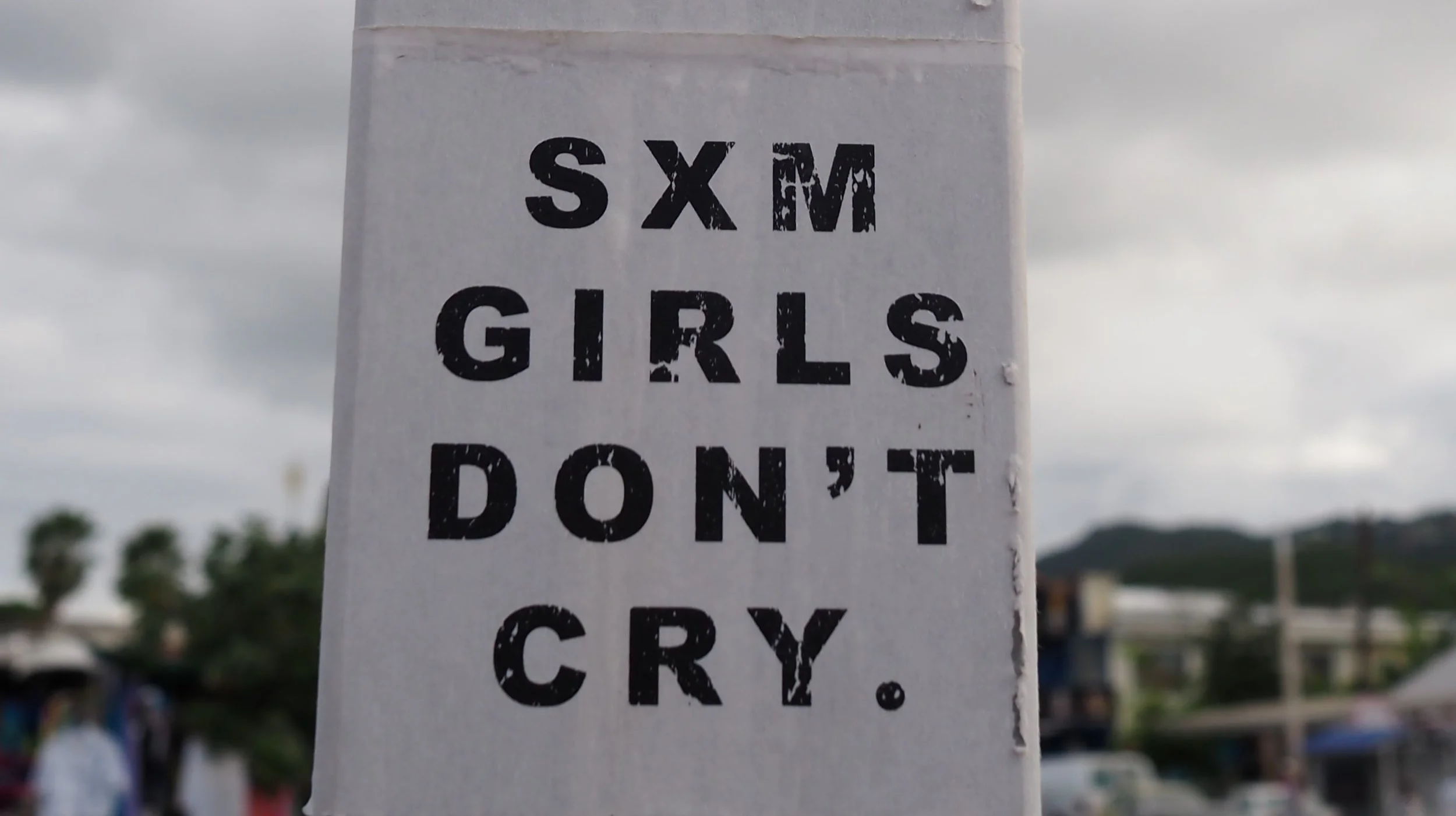
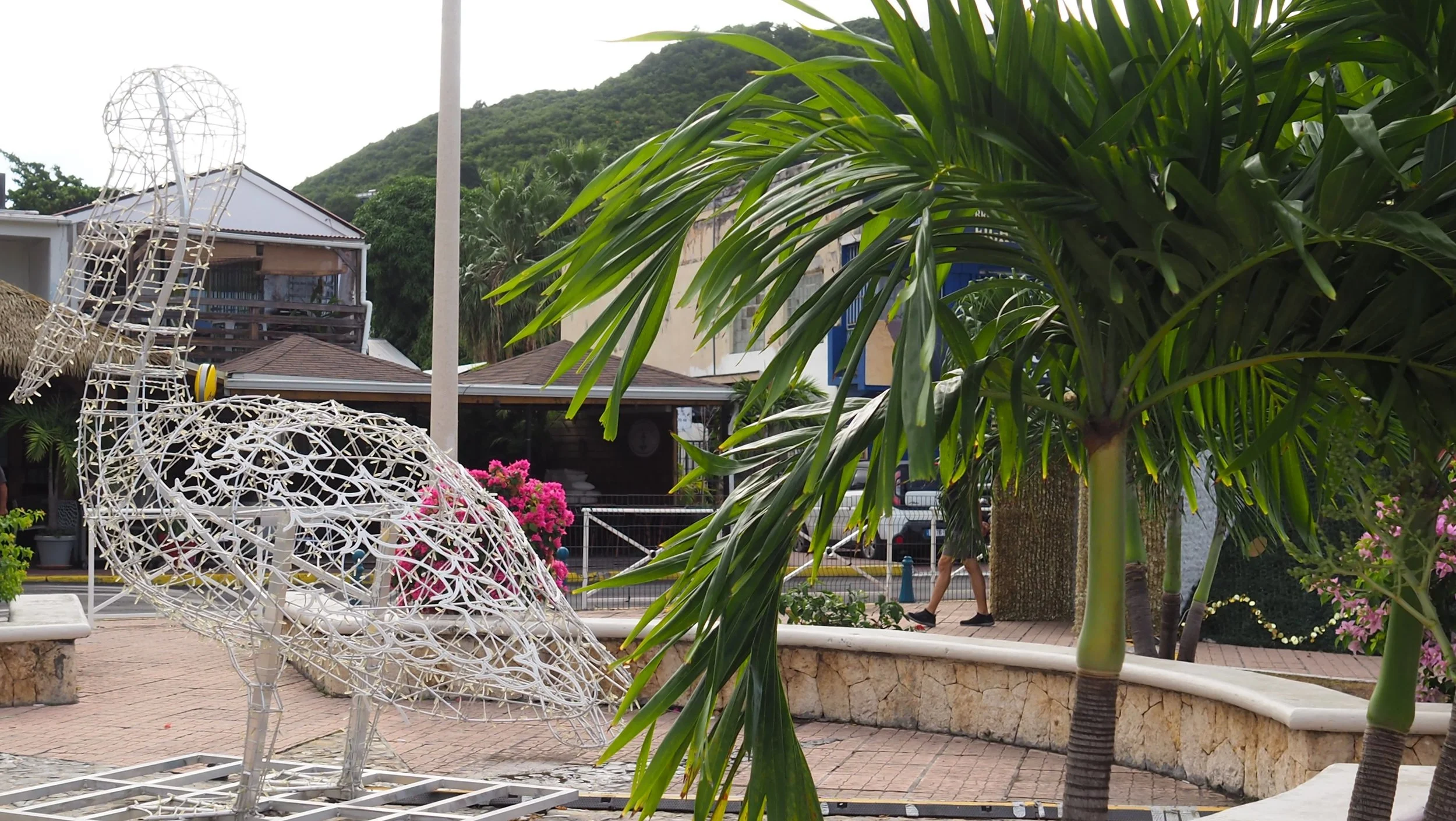
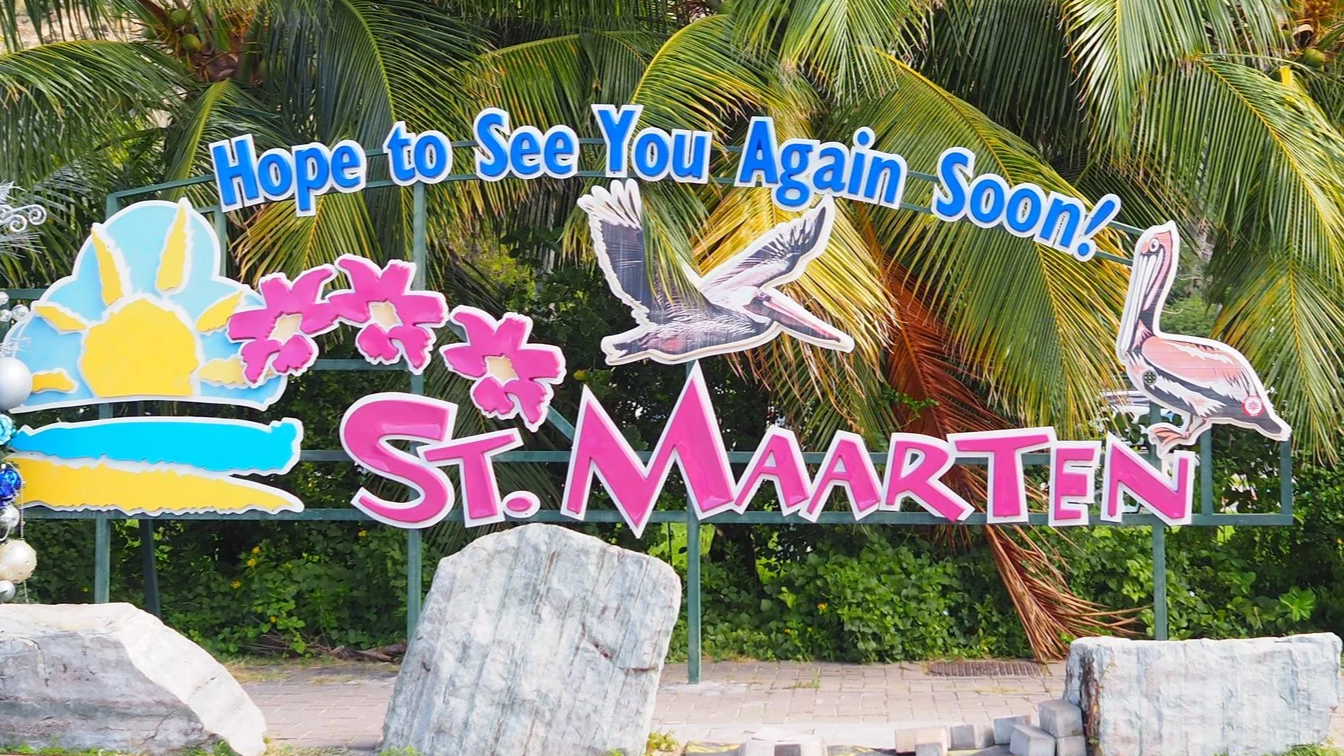
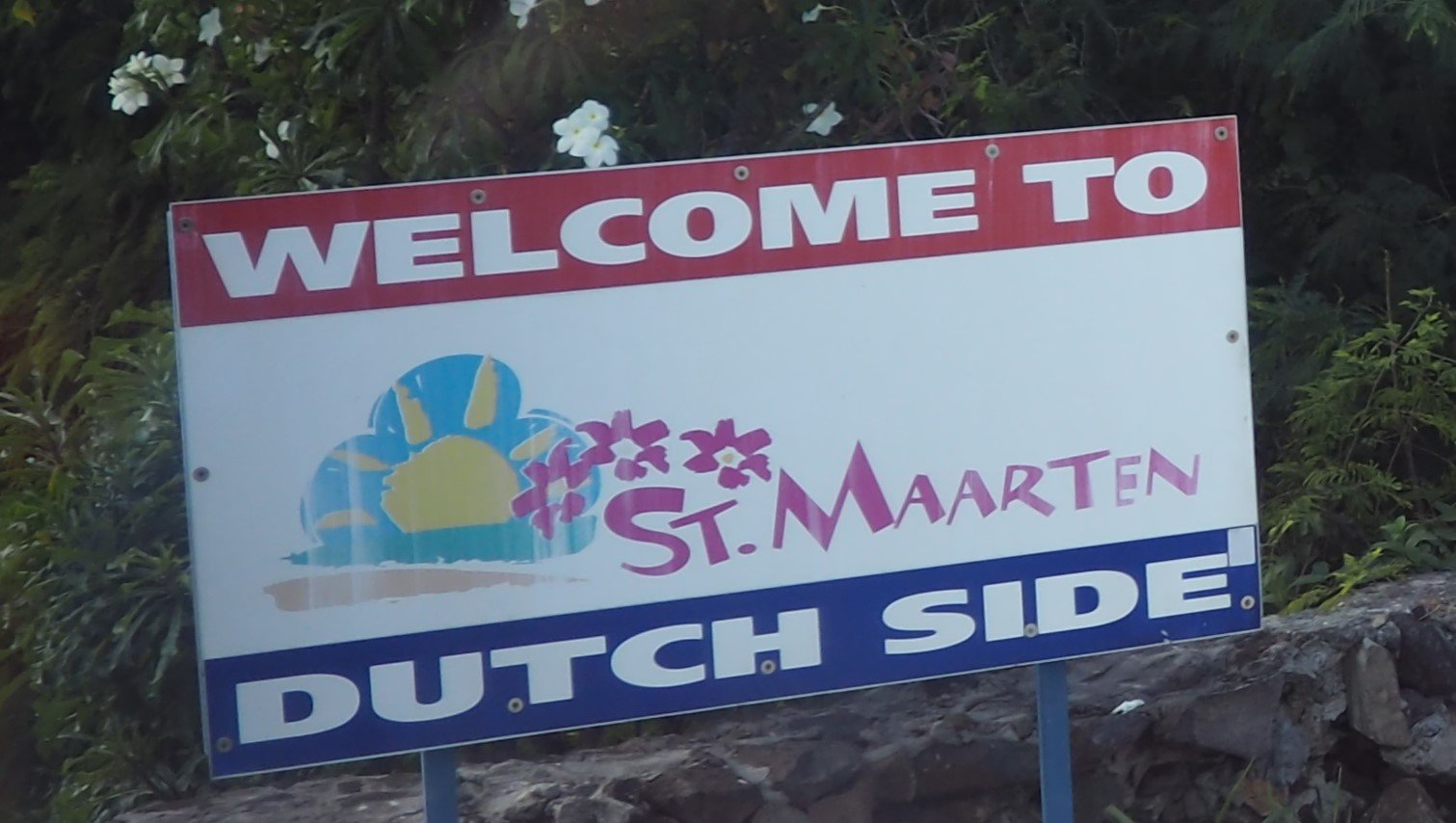
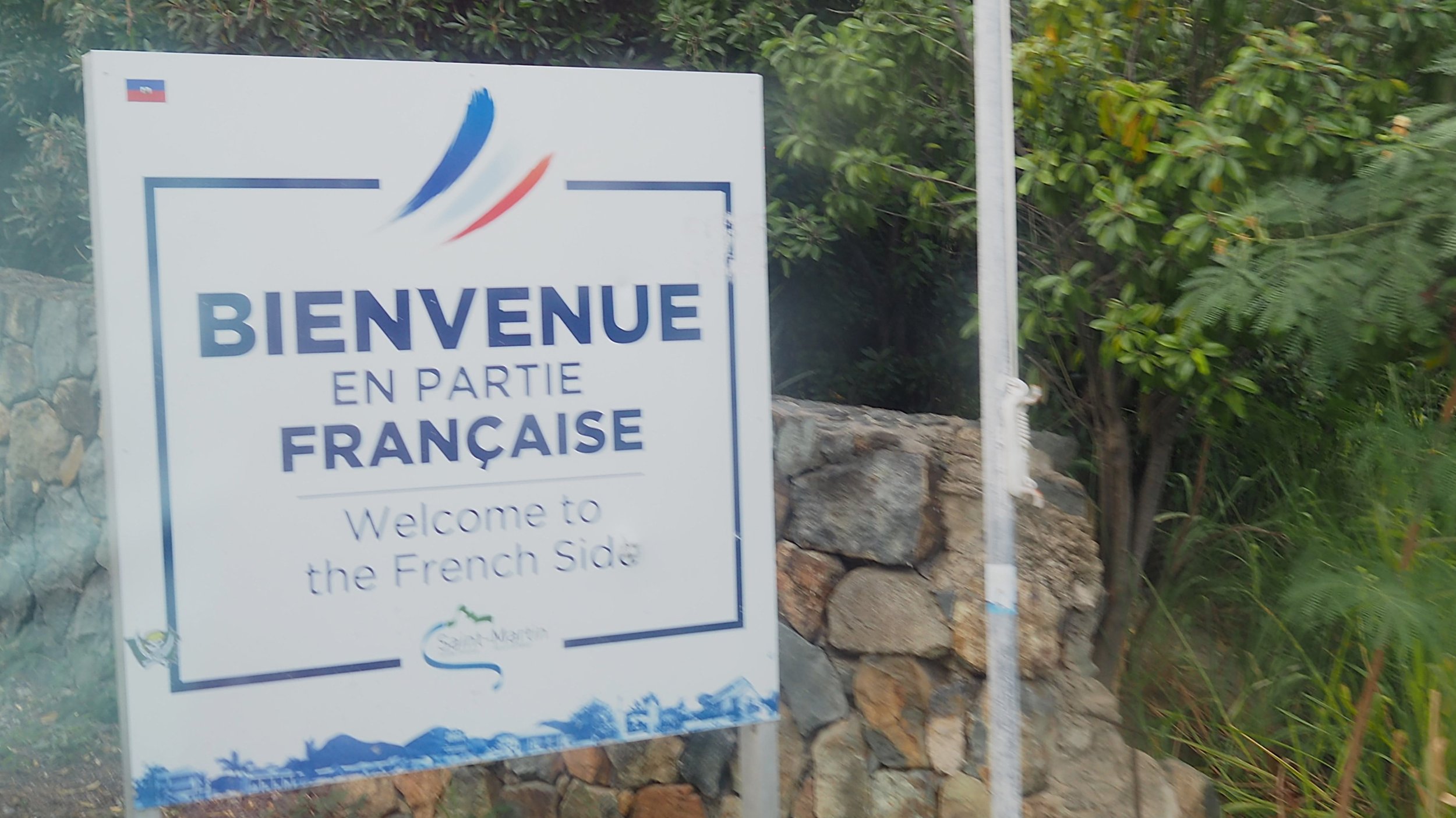
A Caribbean island split between two European nations creating a fusion of cultures. In the 1600s both France and the Netherlands were interested in the land. Legend goes a Frenchman and Dutchman were to start from the same point and walk in opposite directions until they met the boundary. Each man chose a stimulant prior to the race with the Frenchman choosing wine and the Dutchman gin. Due to the beverages’ difference in lightness, this caused territorial differences as the Frenchman’s ability to walk faster gaining a larger share. Divided 40/60, only a stone monument and some hand-lettered signs mark the boundary. Island view at Bell’s Lookout Point and Brown Pelican Statue honoring the national bird.
Sint. Maarten (Dutch)
Philipsburg
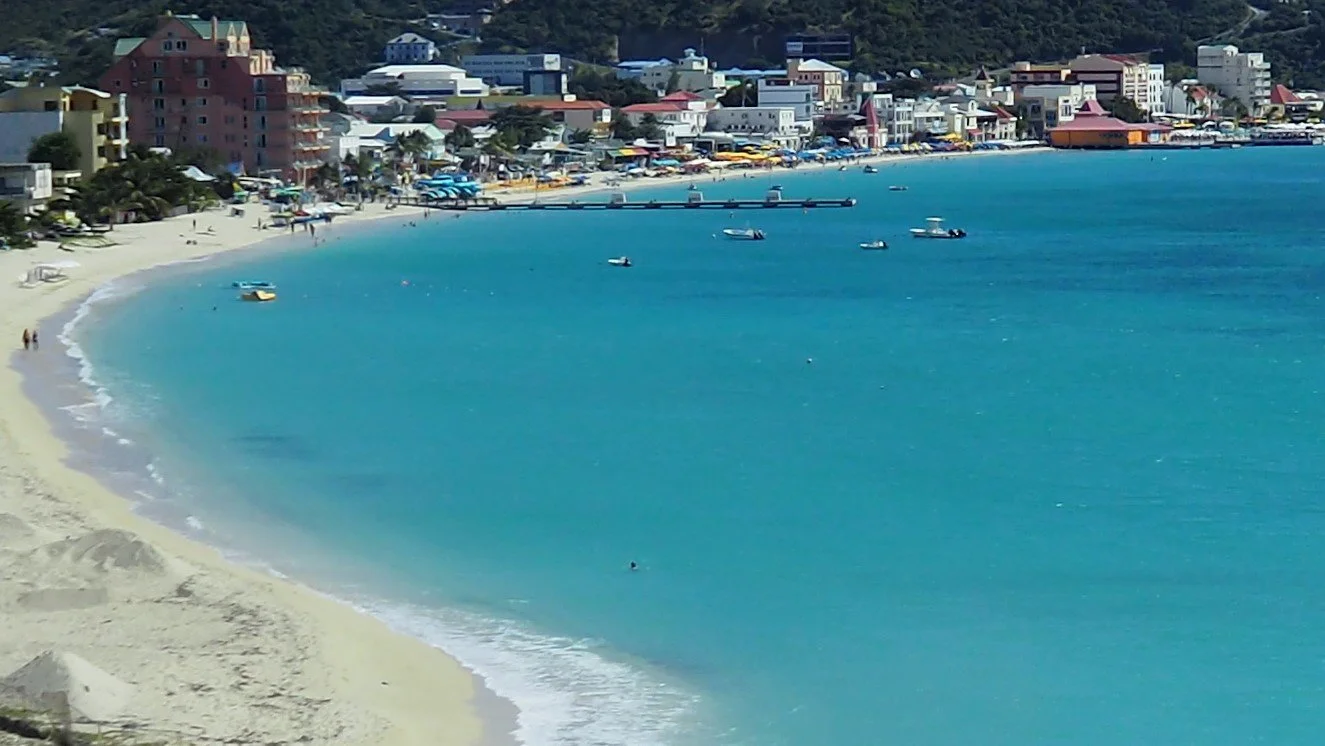
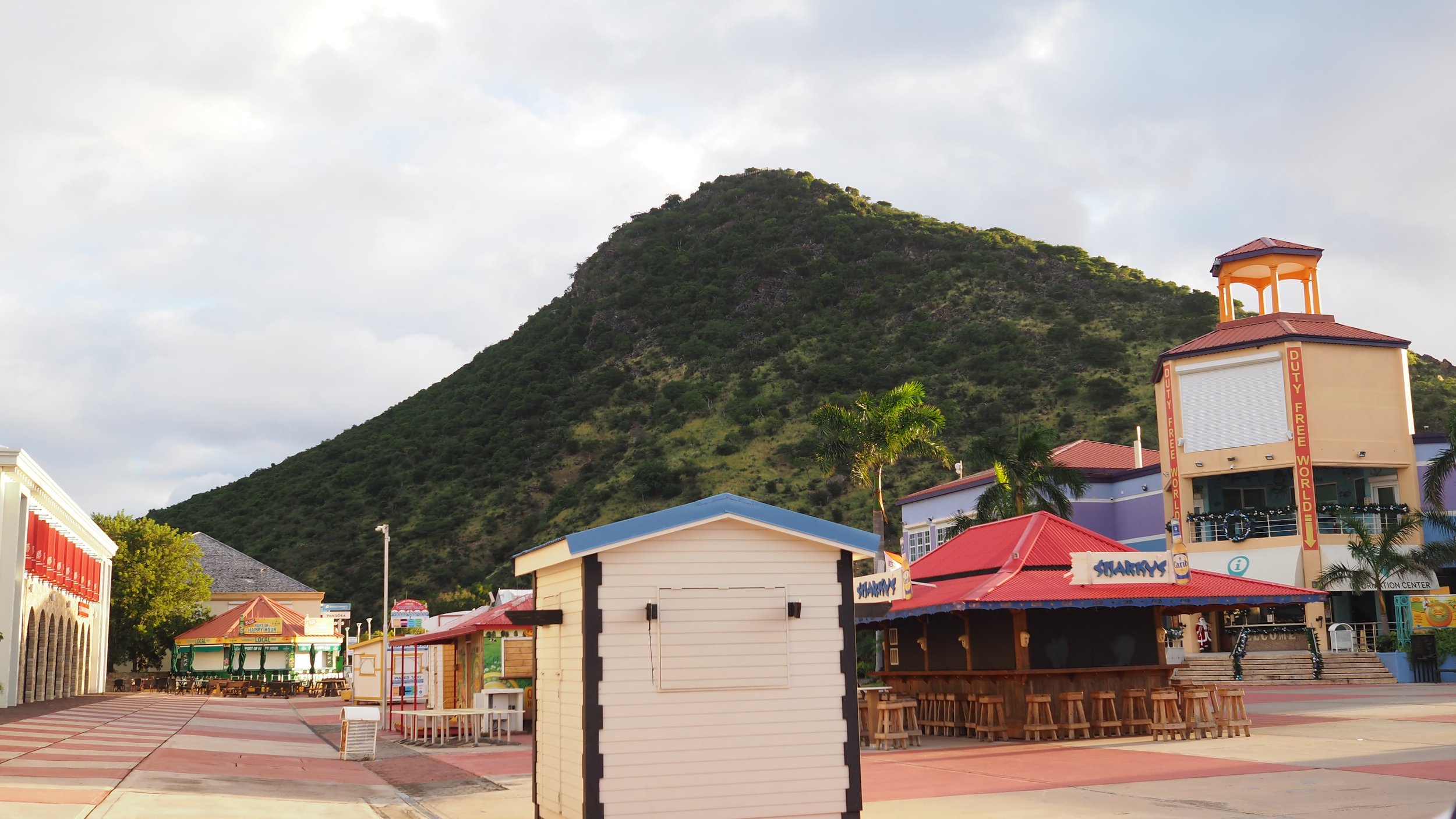
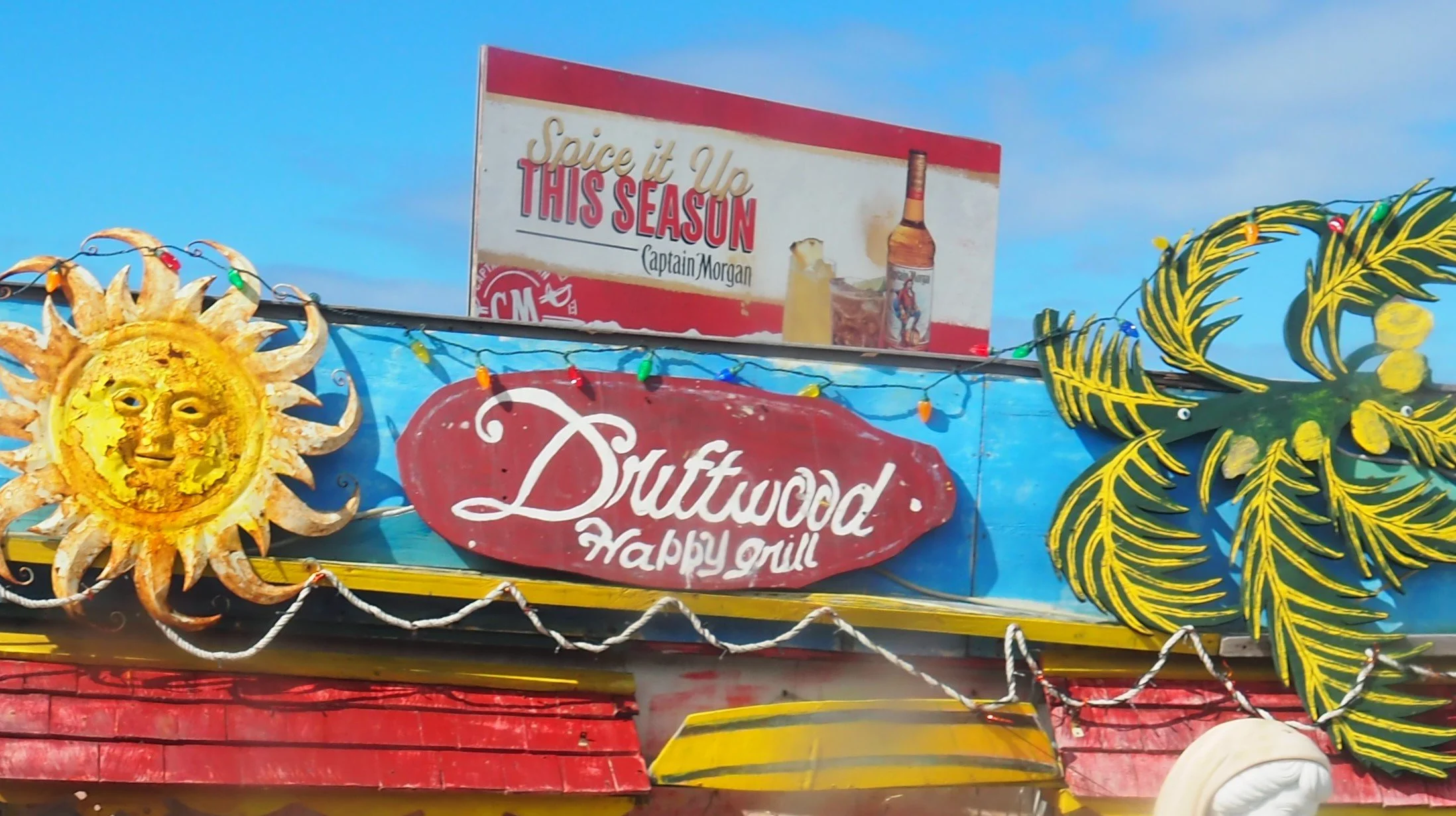
Capital and the main city on the Dutch side, lined with colorful shops, hotels and beachfront property making an ideal cruise port. Back streets include local businesses in 1700s styled buildings, Sint Maarten museum and Fort Amsterdam providing quieter settings. Locals and guides declared this as the fun laidback side of the island.
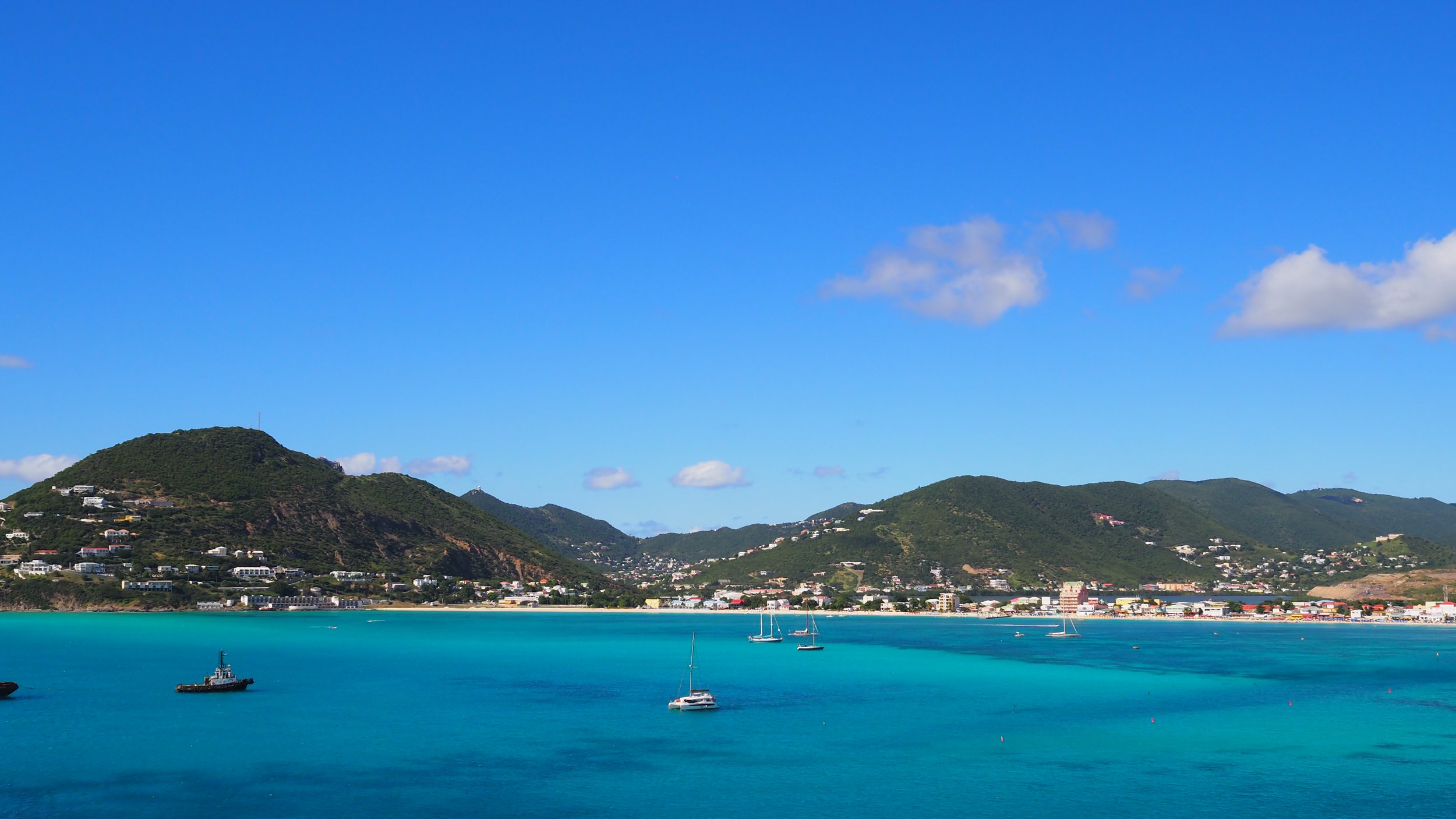
Maho Beach
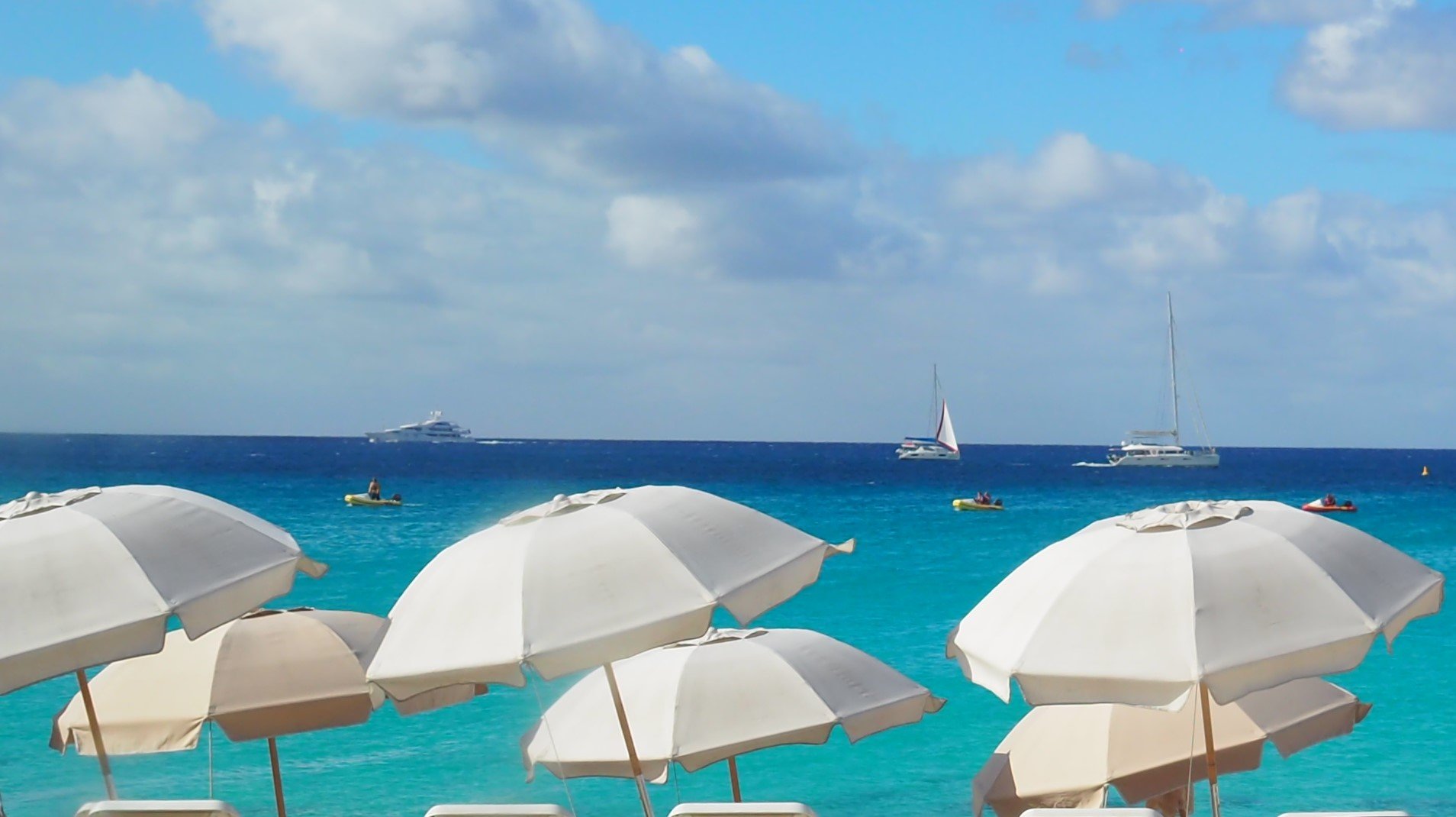
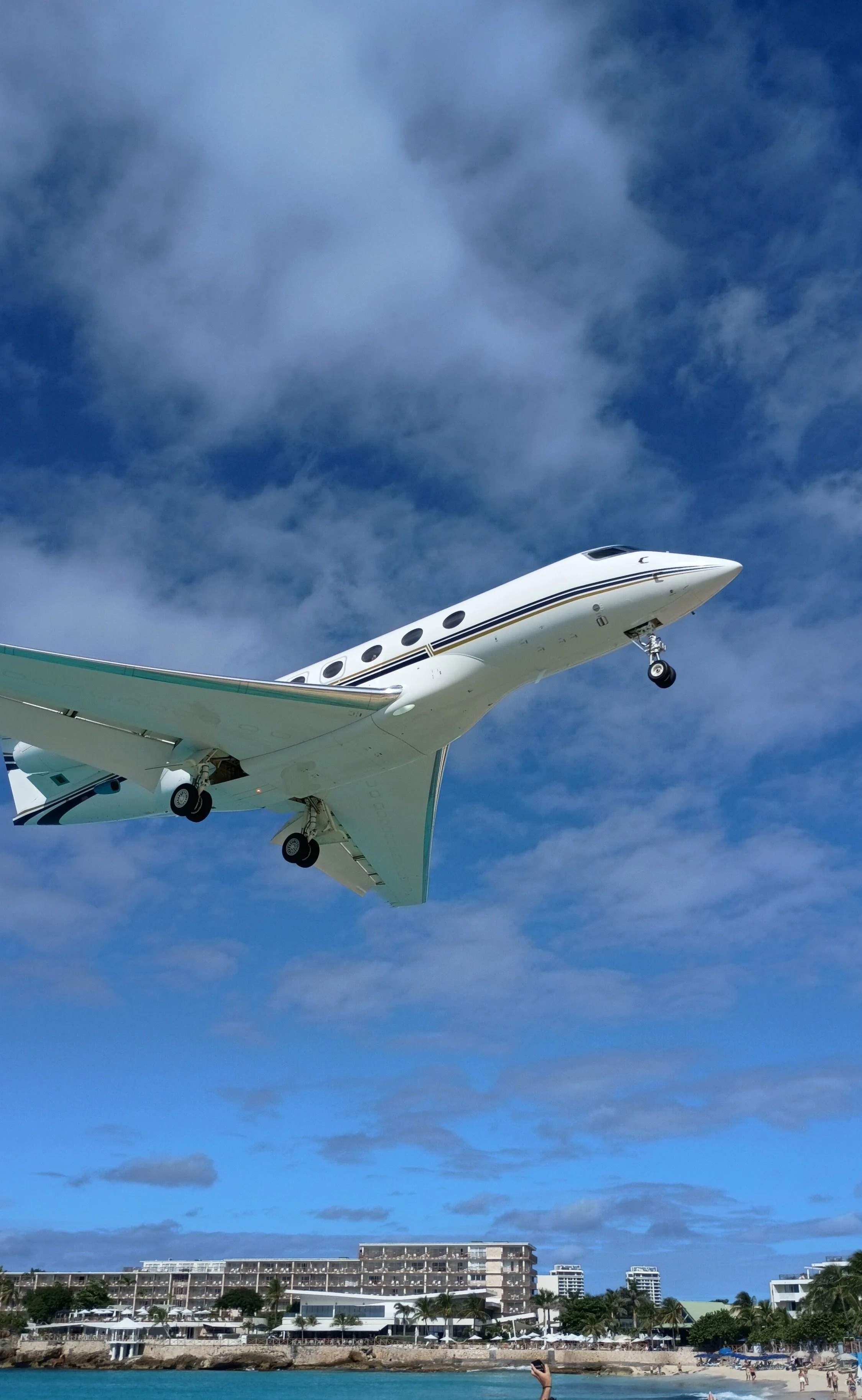
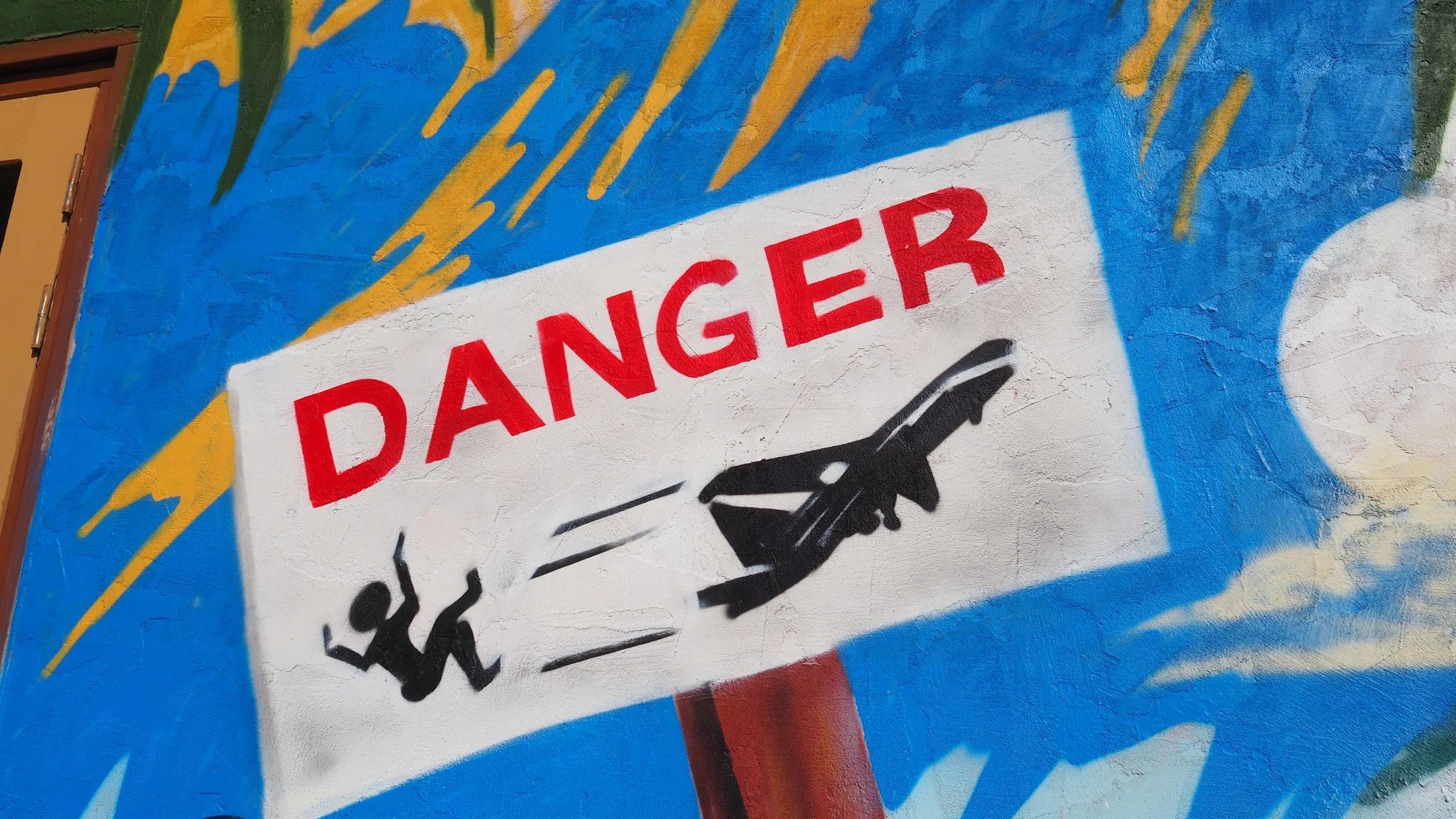
A small stretch of beach with beach bars, turquoise coastal views and airplane arrivals just meters above the beach. Hold onto your hats!
Saint Martin (French)
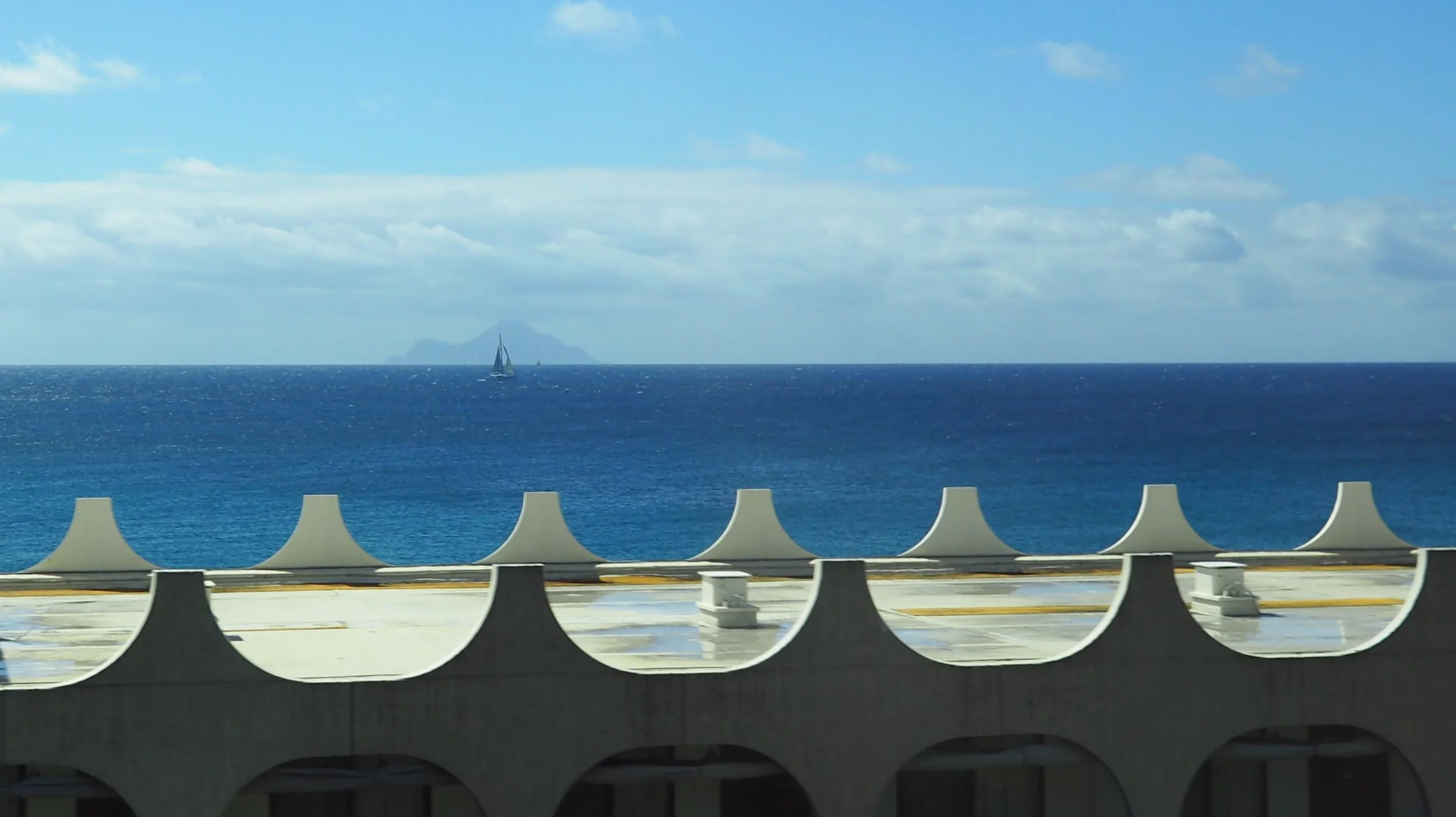
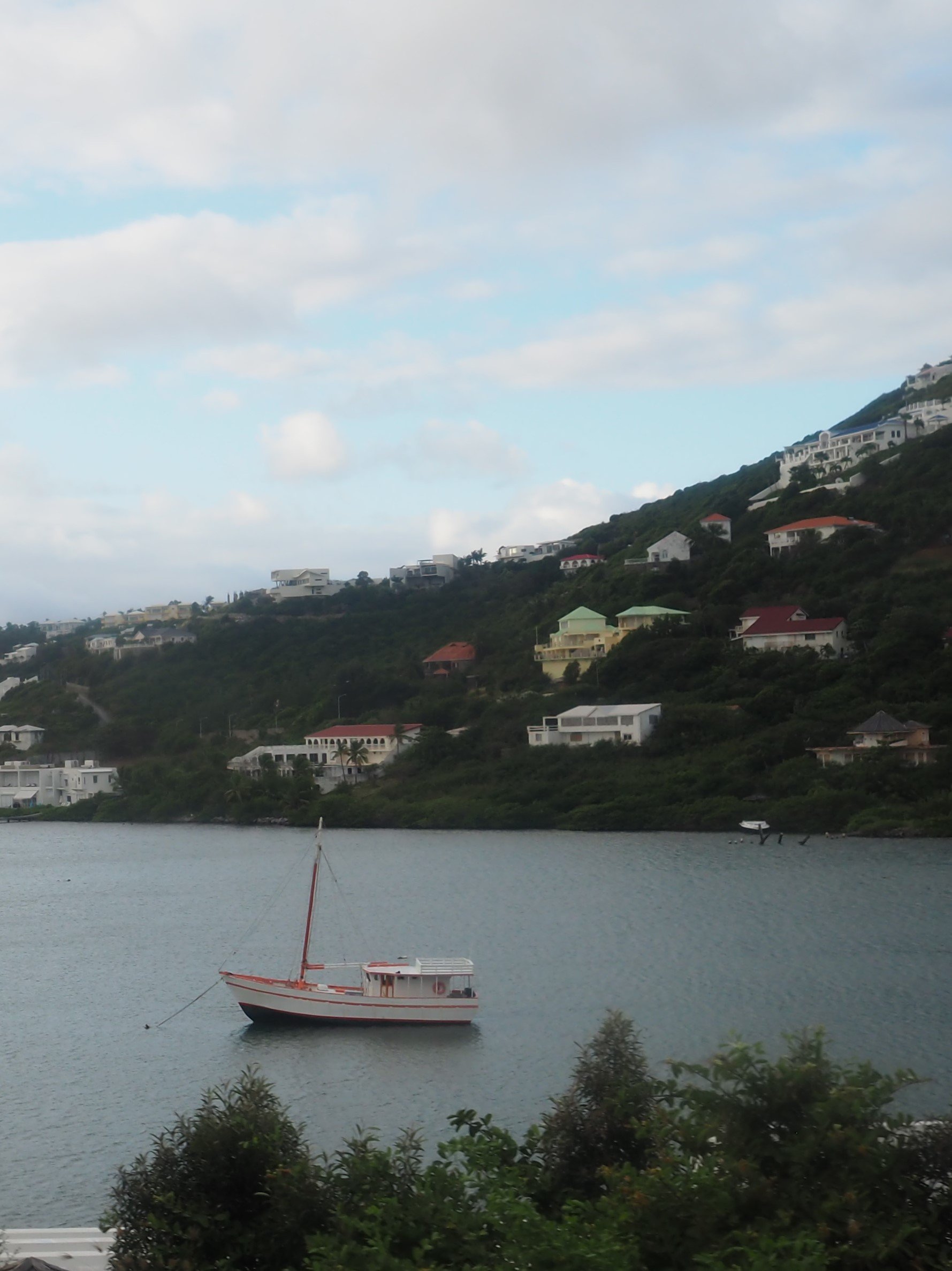
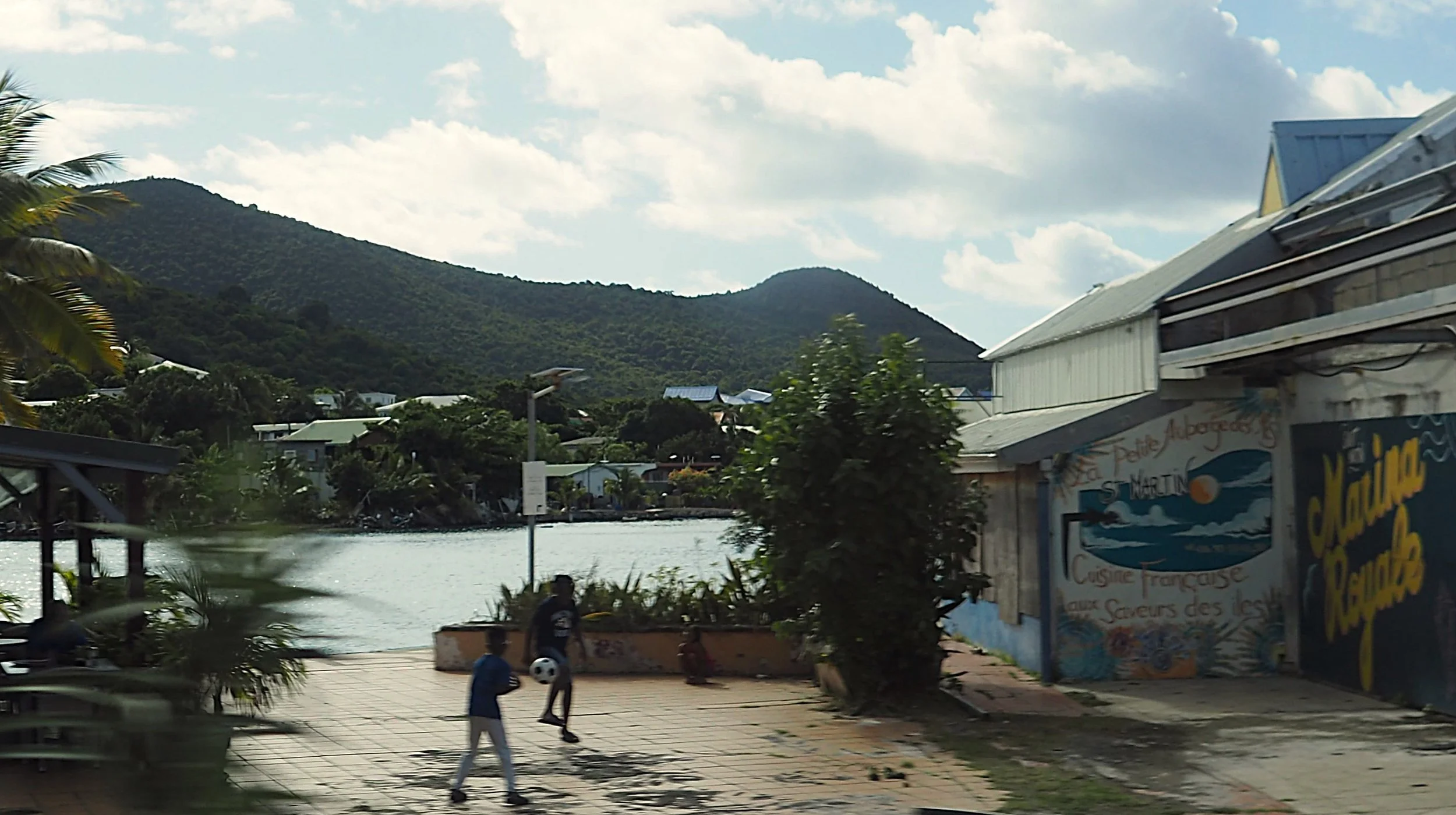
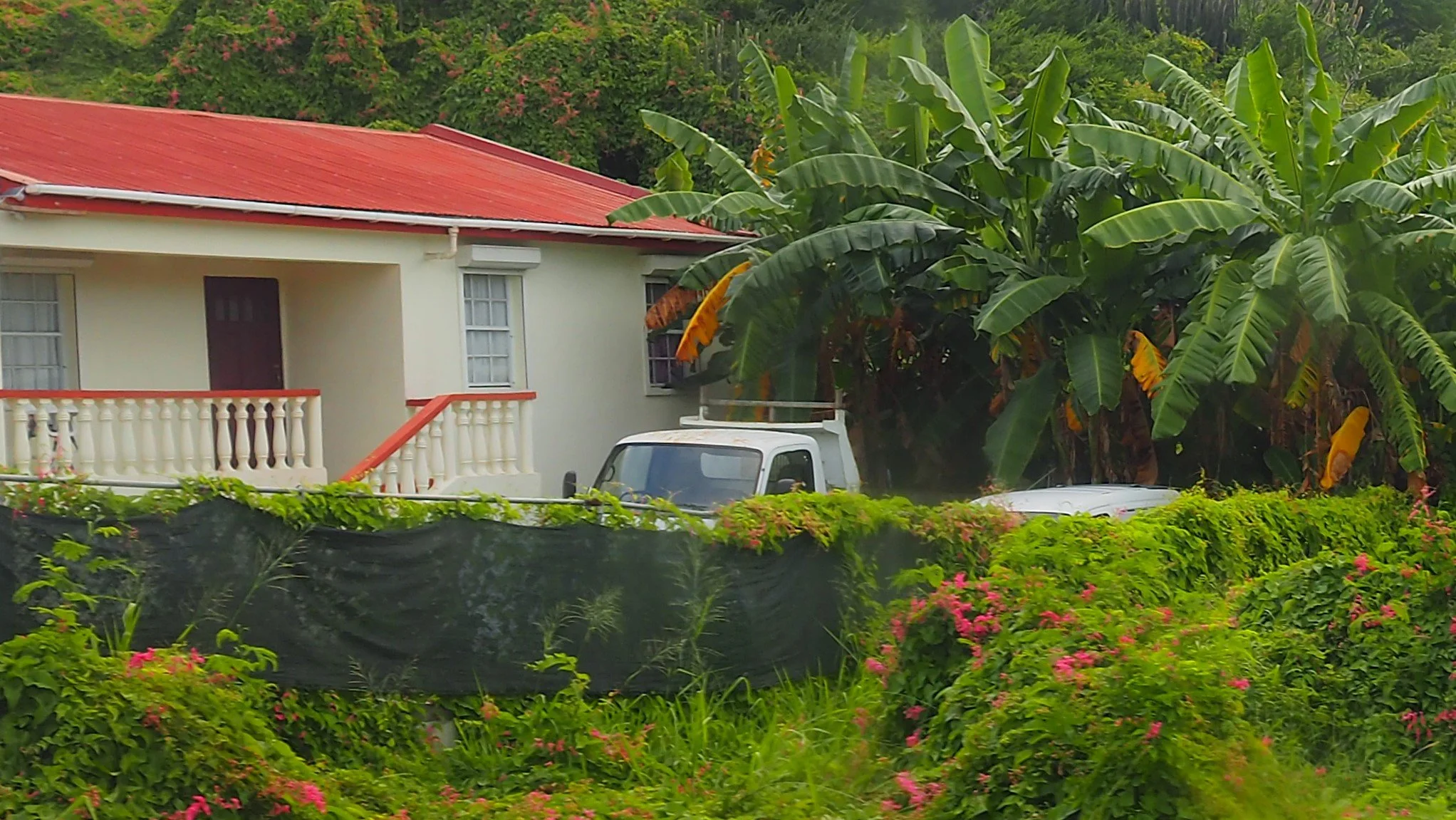
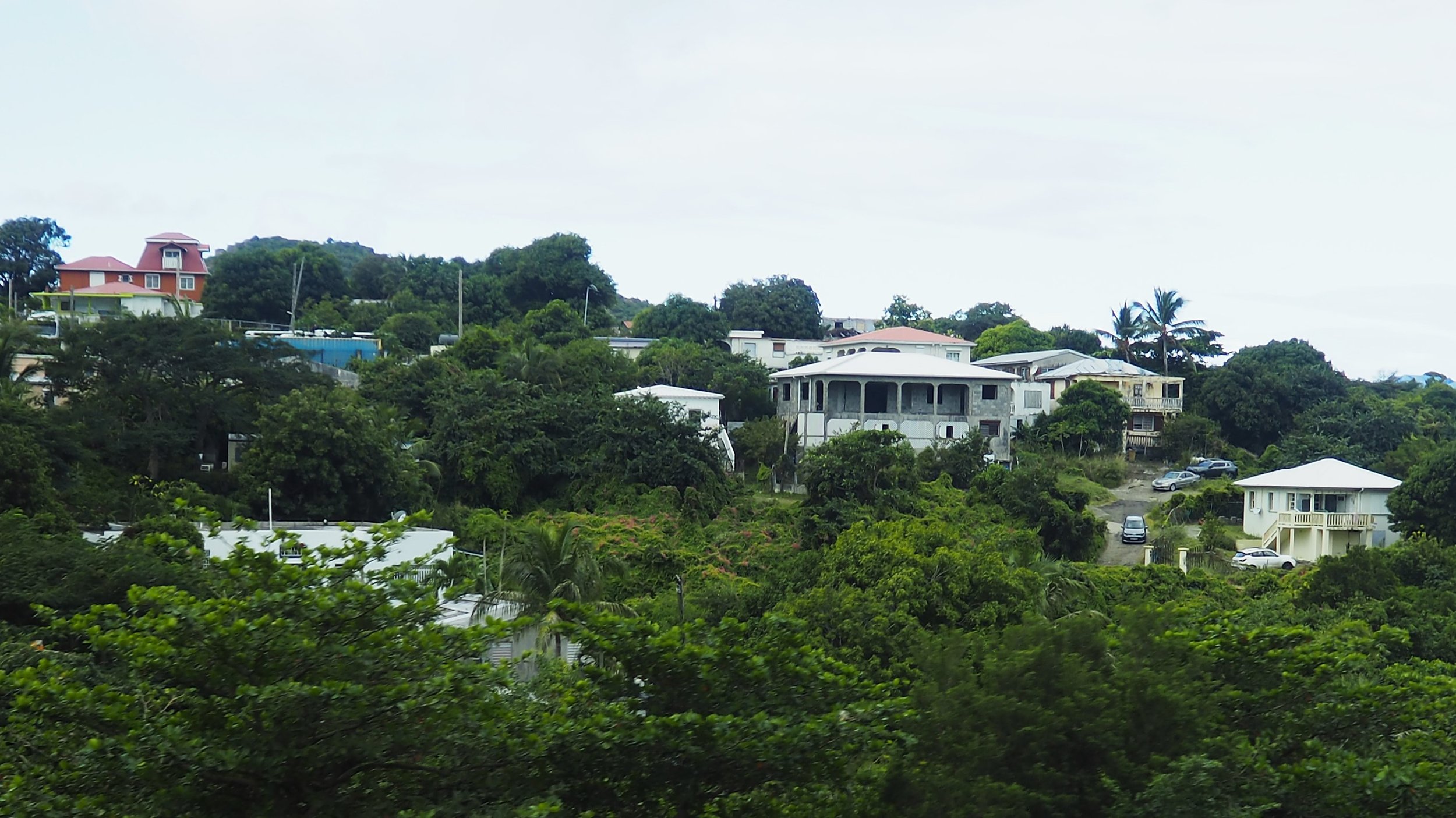
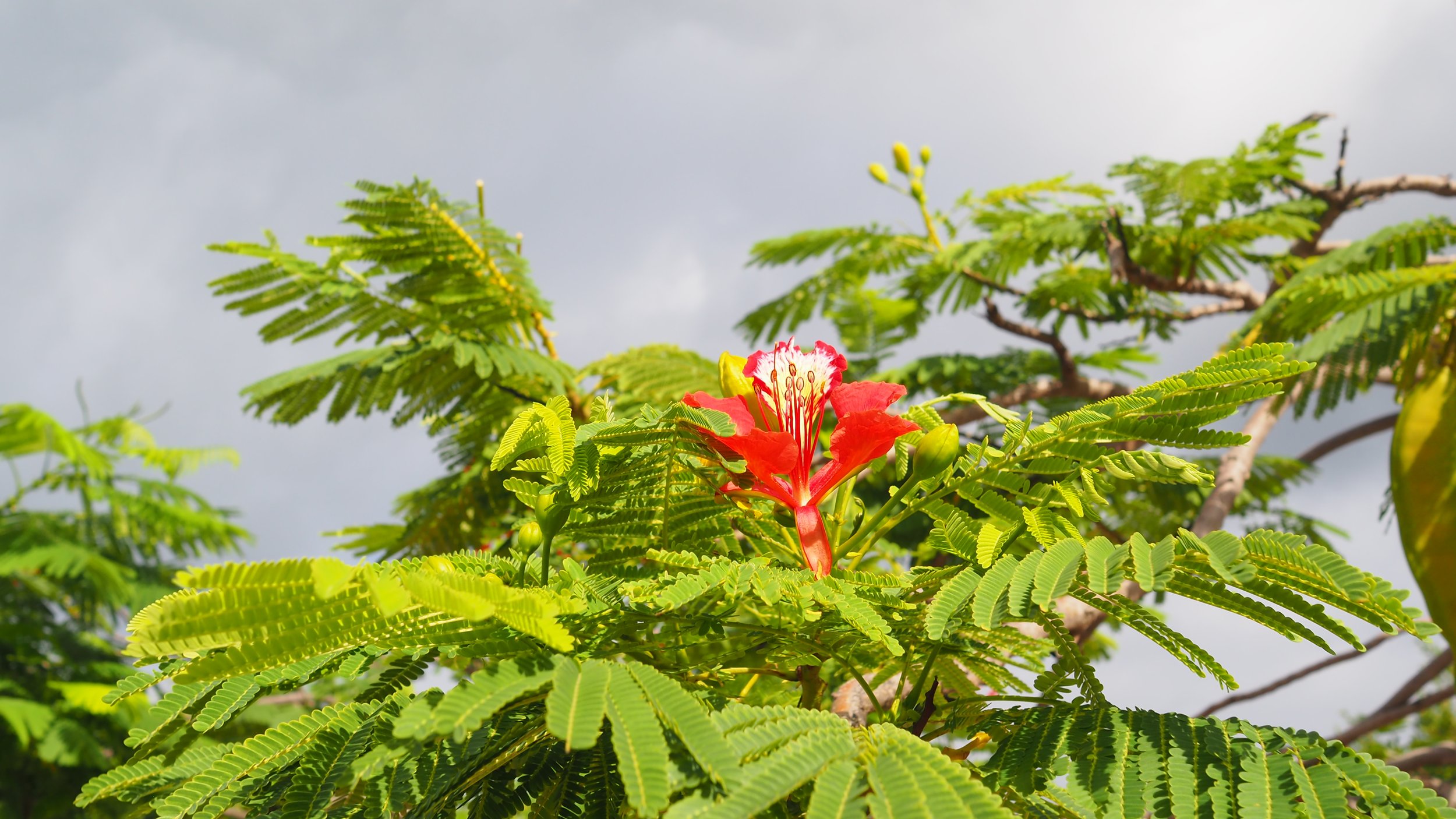
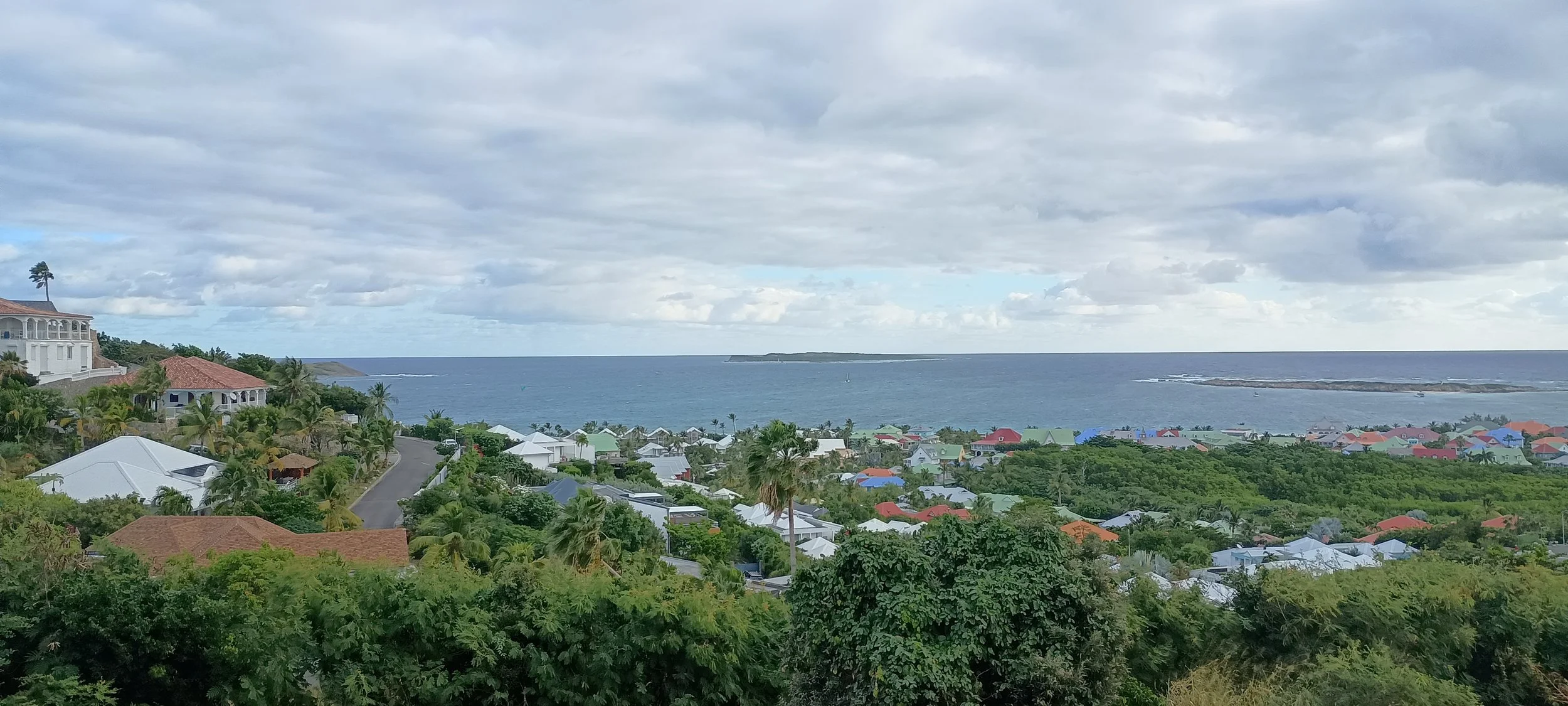
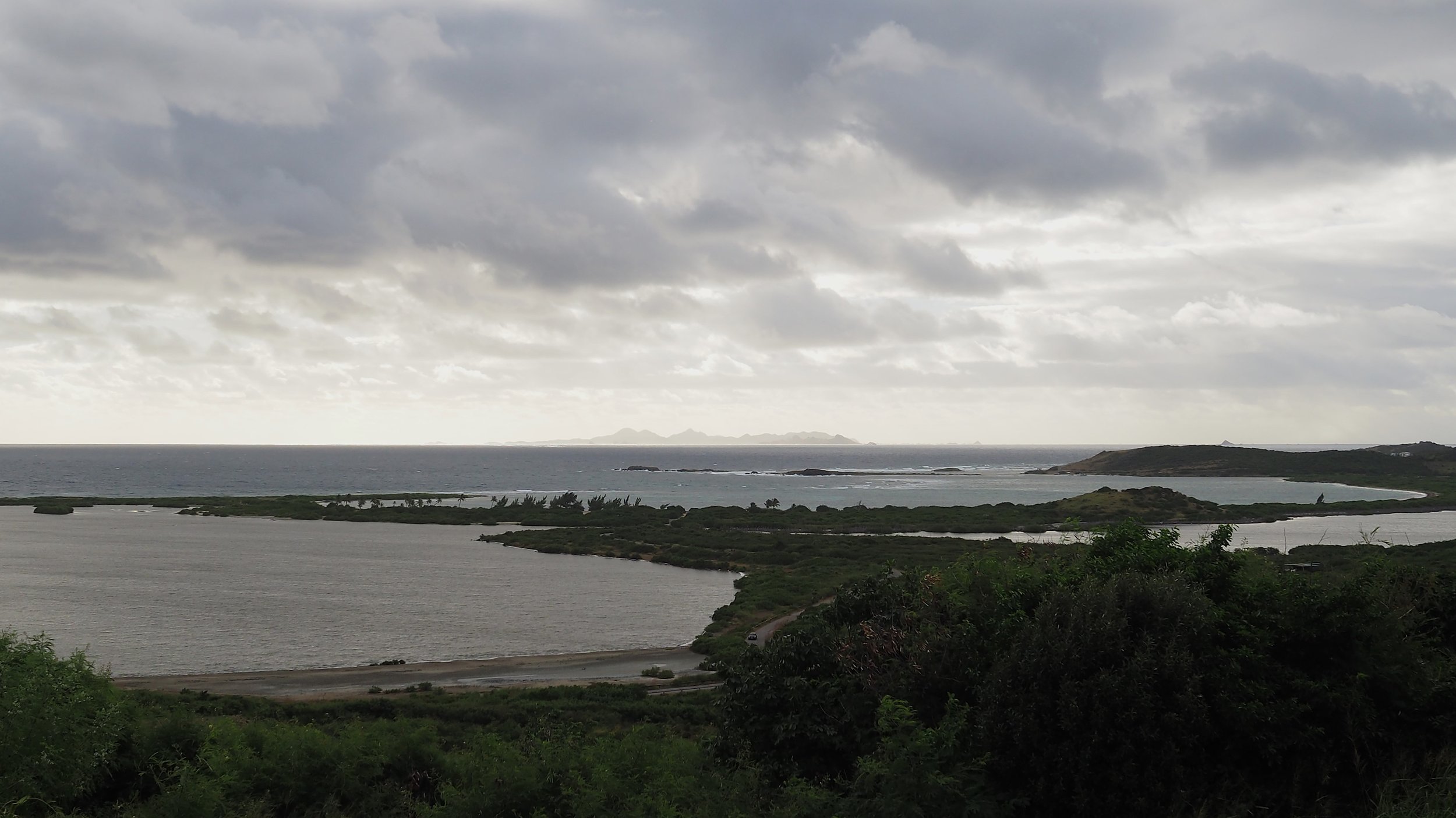
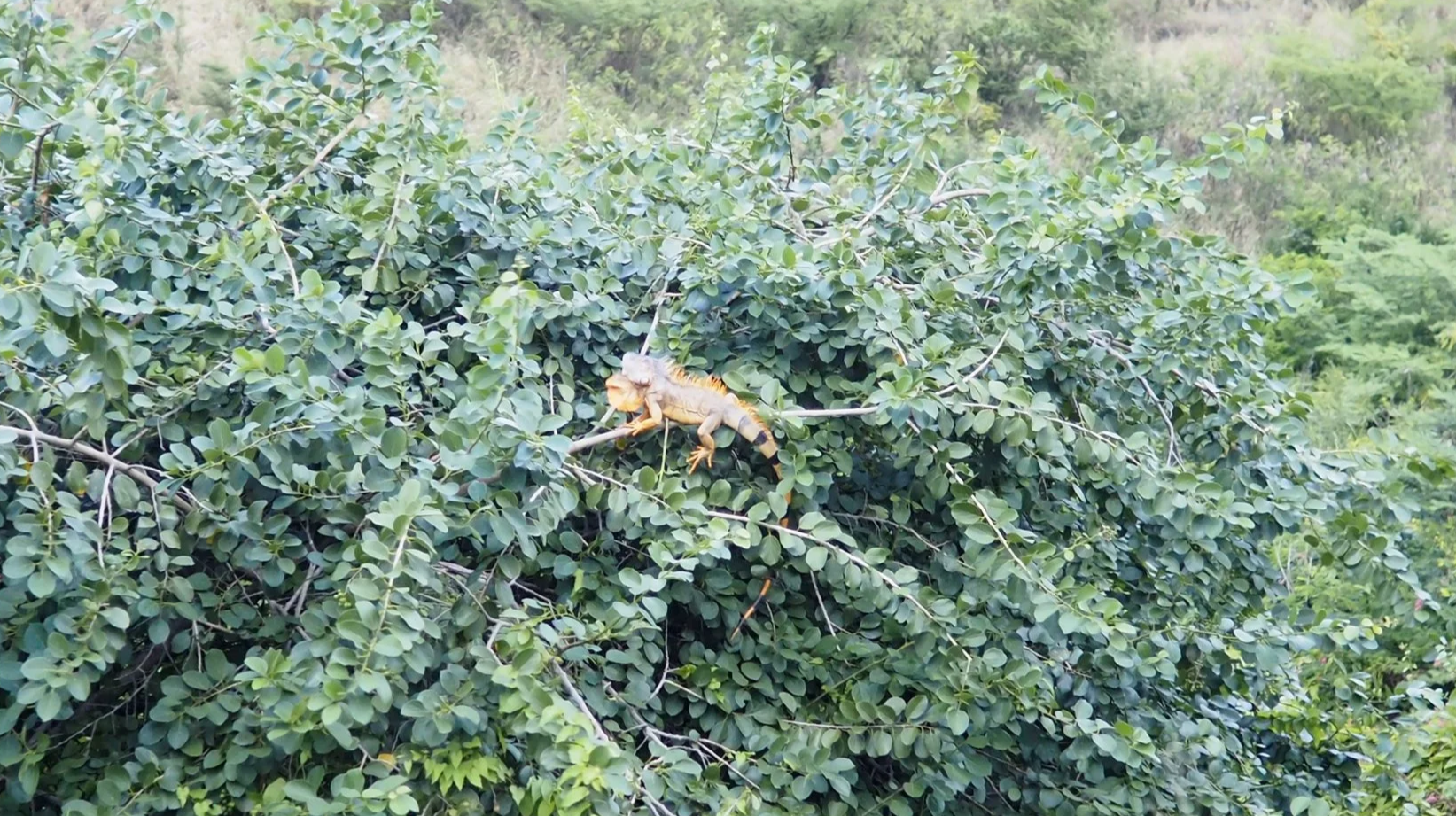
A drive through the French countryside showcases the island’s lush vegetation, multiple salt ponds & diverse wildlife. 'Colorful homes sit on the hillside viewing St. Barts on the horizon.
Marigot
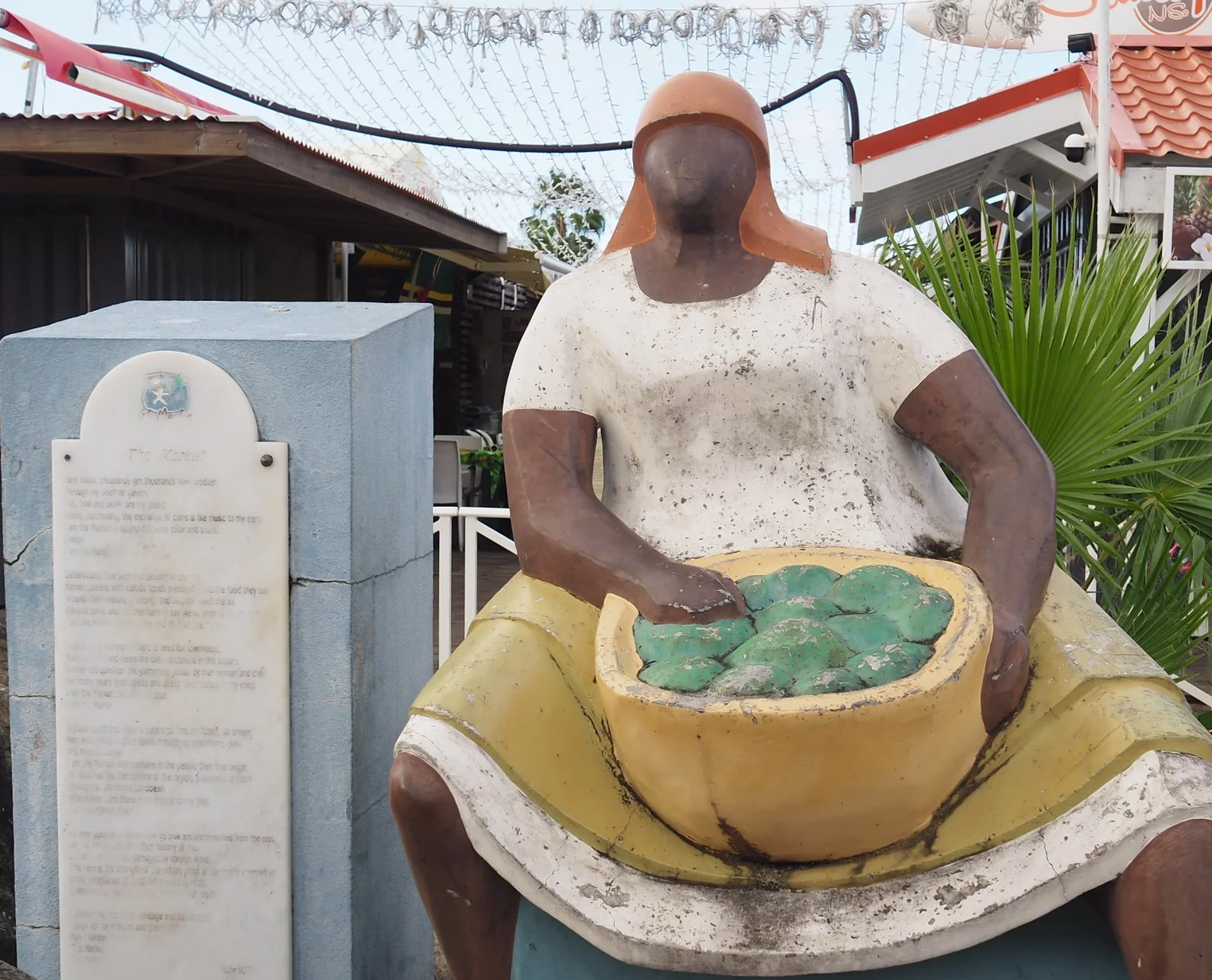
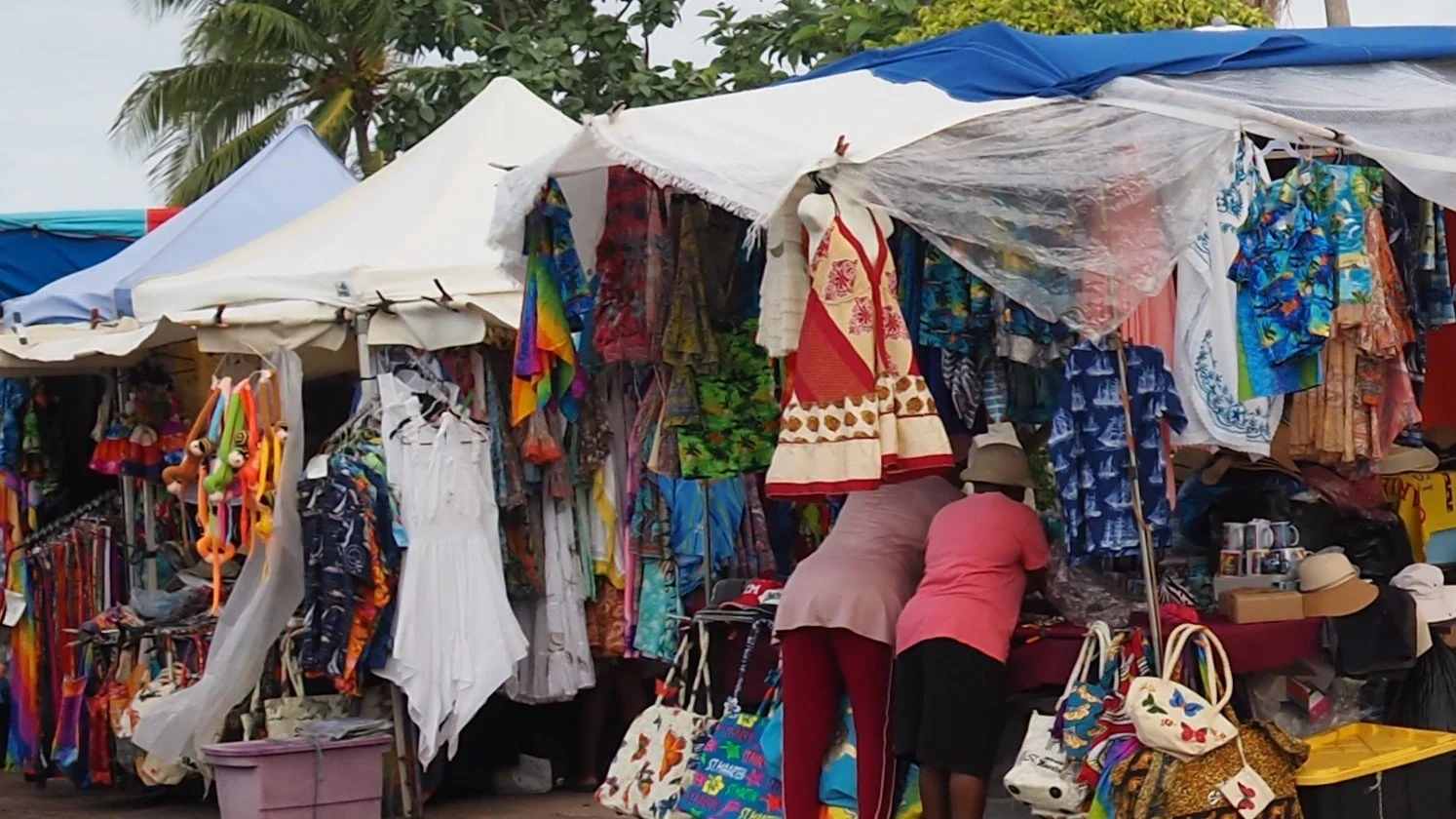
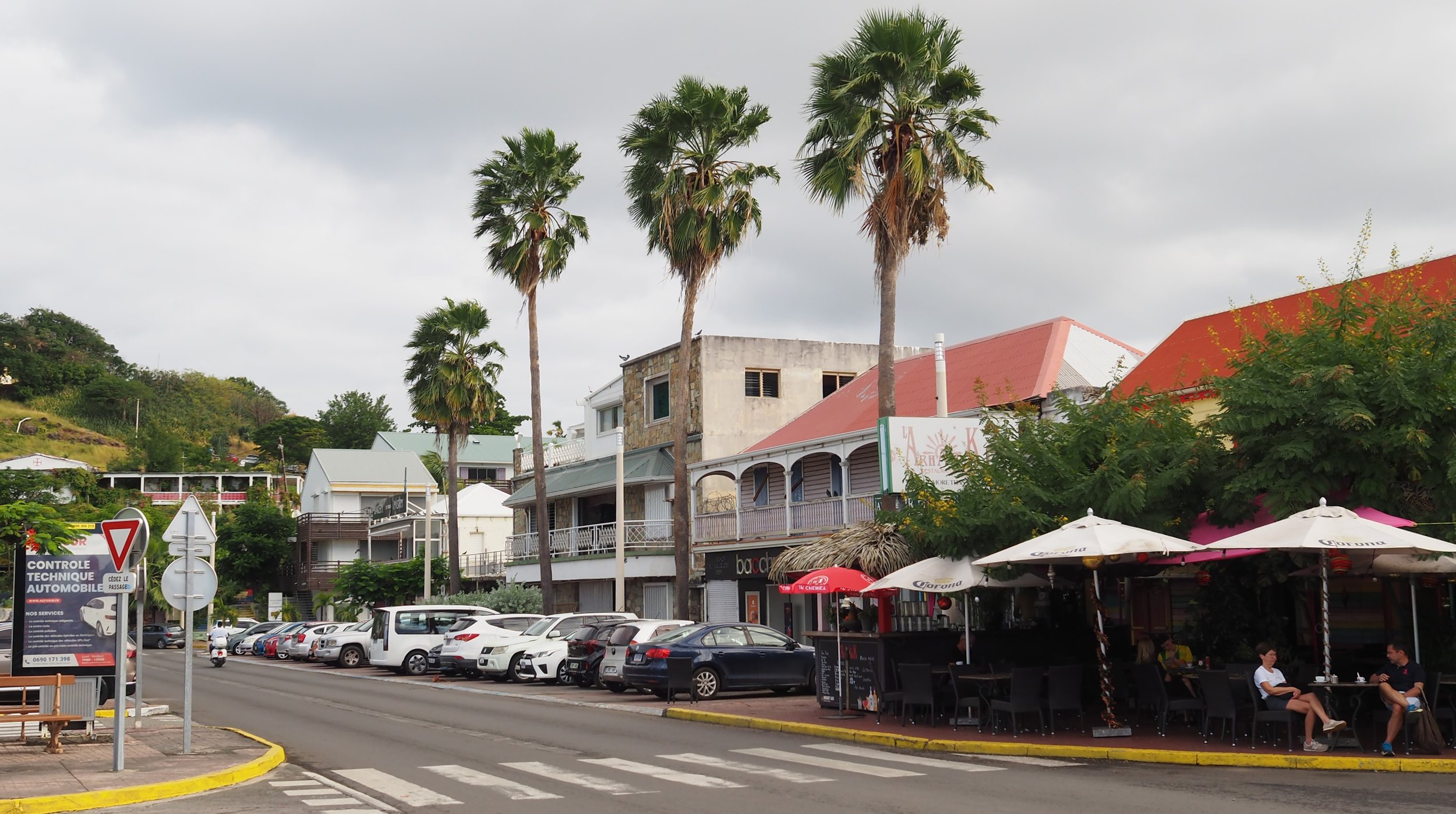
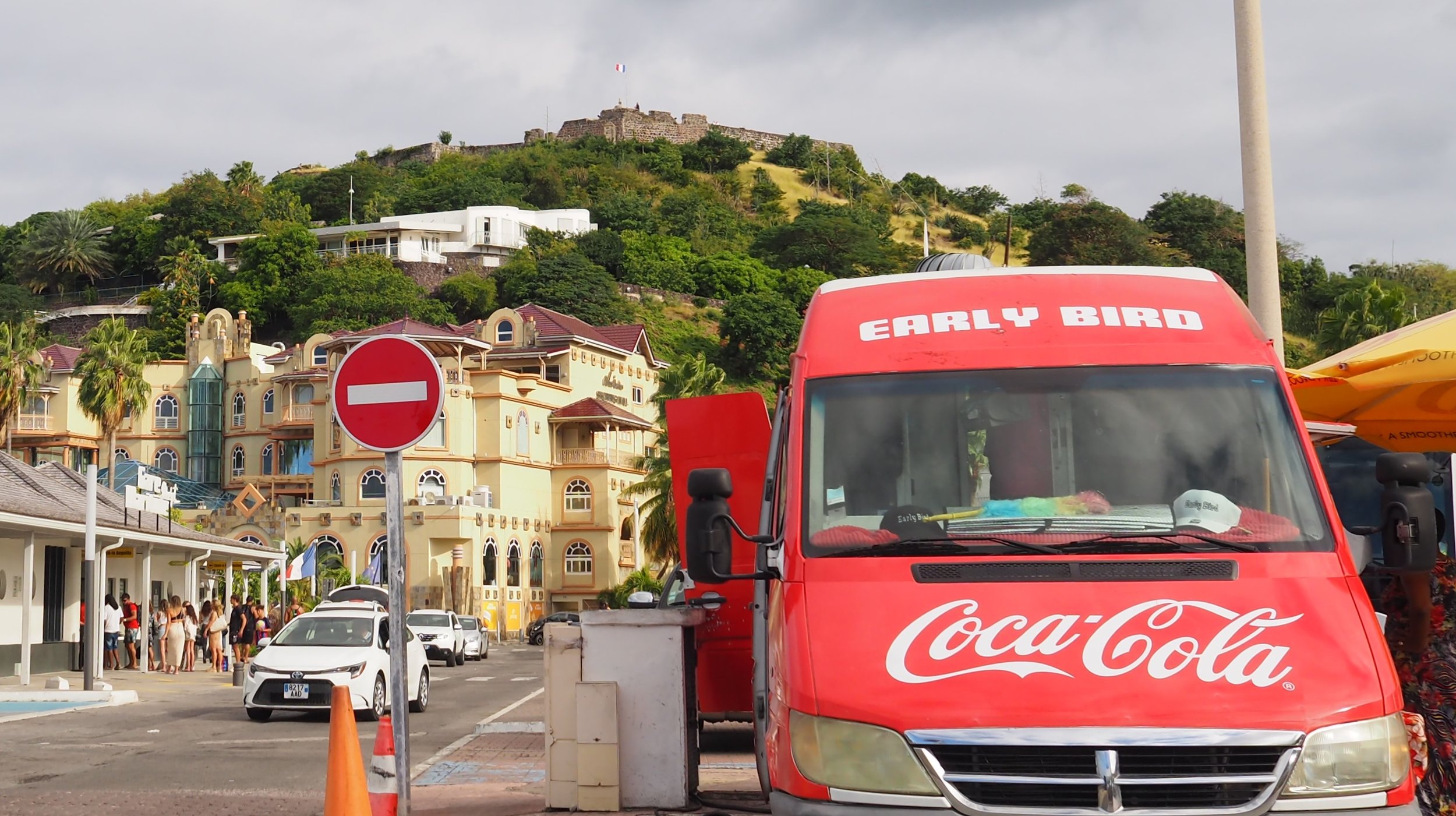
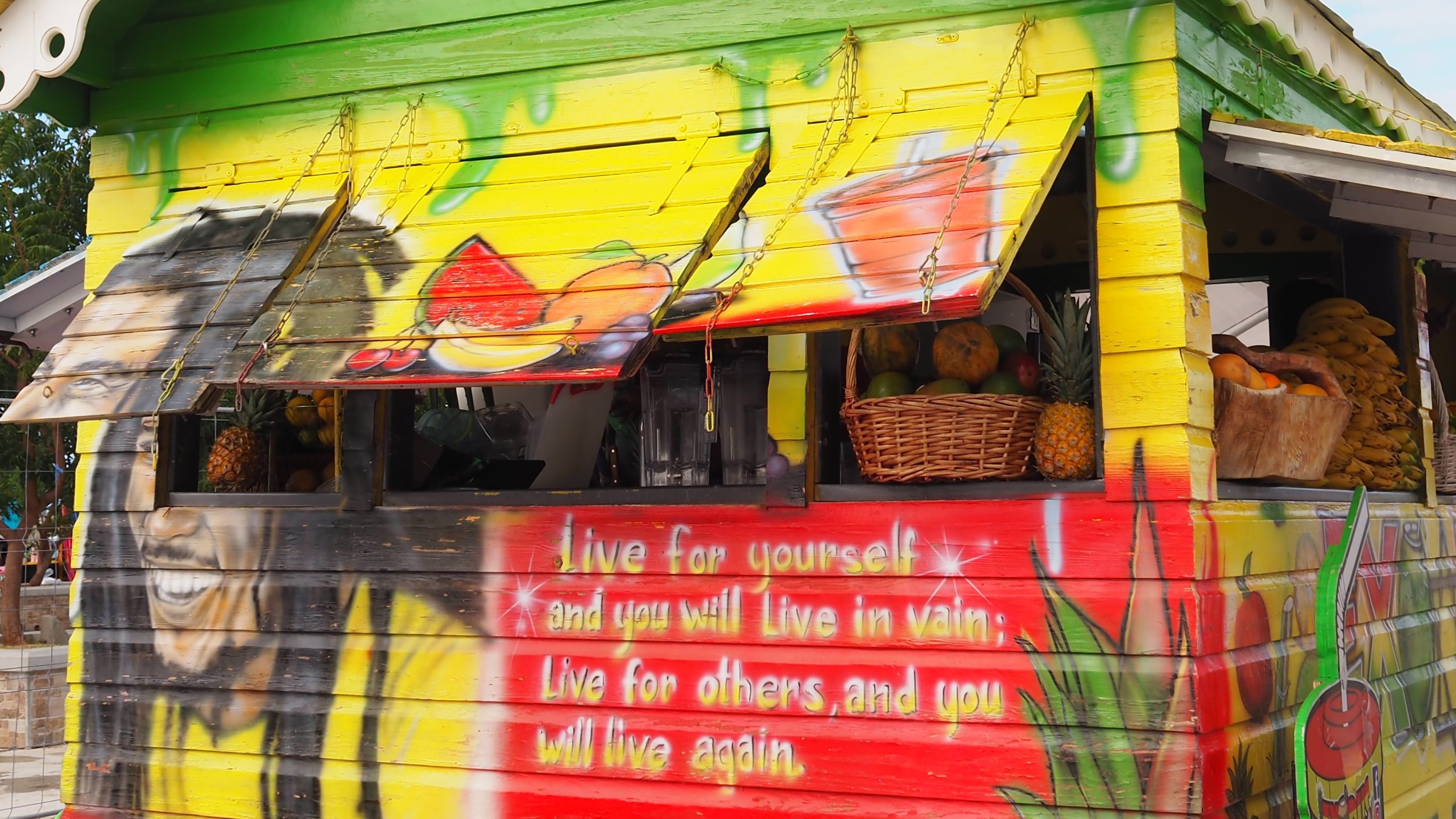
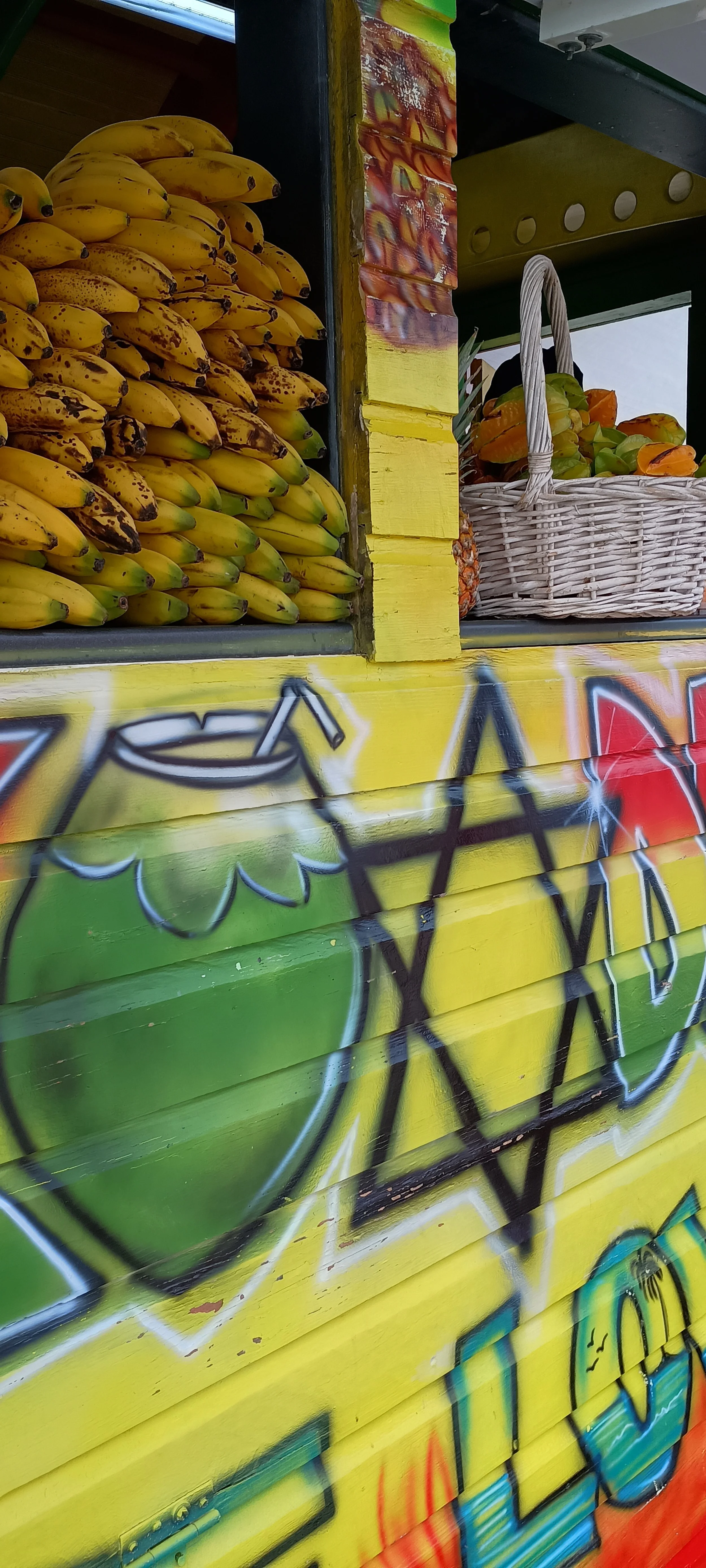
Capital and the main city on the French side, Marigot brings the French atmosphere in resorts, boutiques, bistros and cafes. The Marigot Market provides an assortments of vendors offering resort wear, fine jewelry, produce and souvenirs. A tribute to the markets is the Market Woman statue by local artist Martin Lynn created in the 1970s to honor the island's hardworking women in the market.